The Nullarbor Plain, a vast and arid expanse spanning across southern Australia, is more than just an empty landscape; it is a unique adventure that captures the essence of the Australian outback. Stretching over 1,200 kilometers from East to West, the Nullarbor offers a breathtaking blend of natural beauty and a sense of isolation that enchants travelers. This article takes you on a journey through this remote region, exploring its stunning geological features, intriguing wildlife, and the cultural significance it holds for those who traverse it.
Contents
Exploring the Unique Landscape
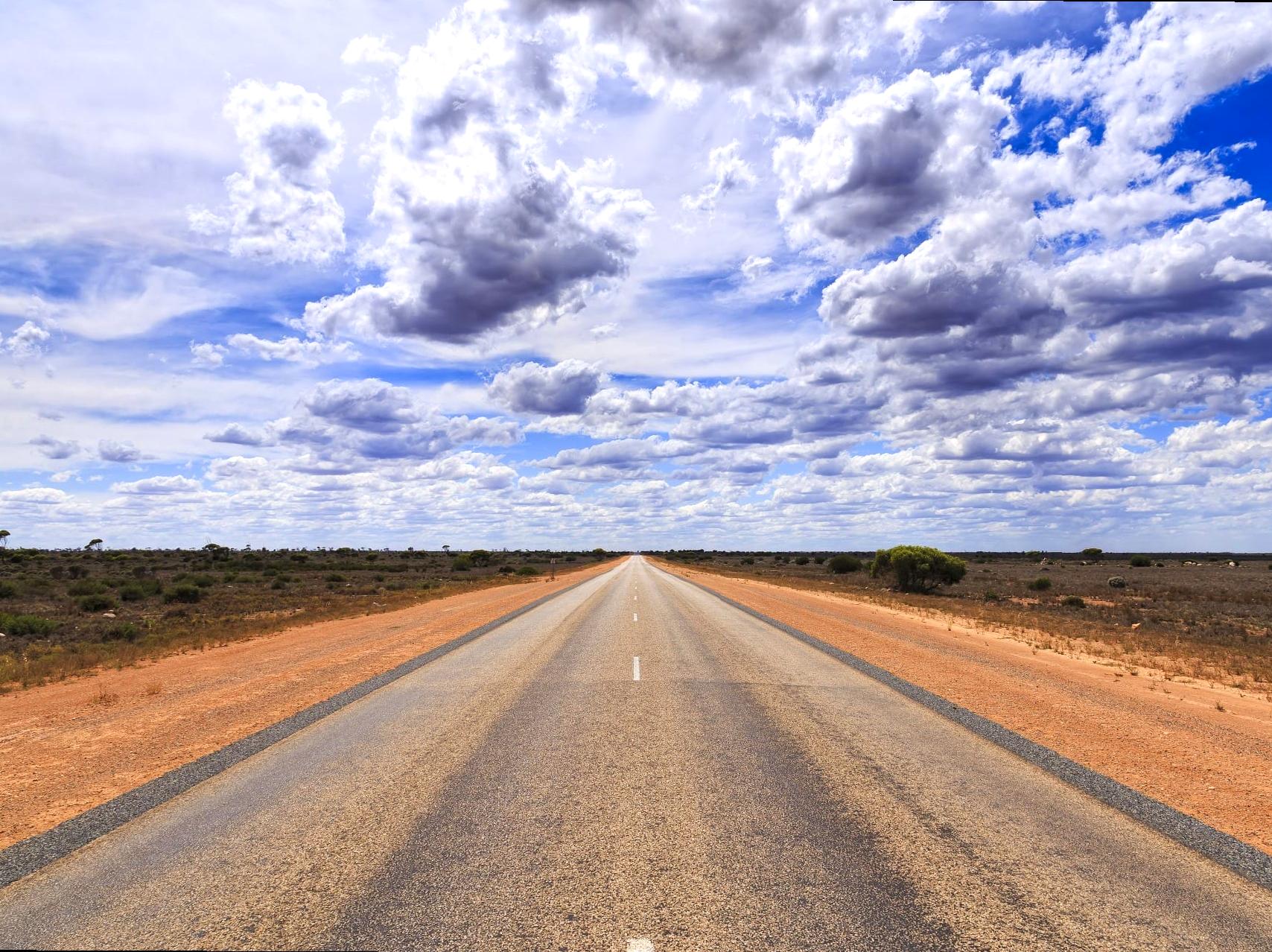
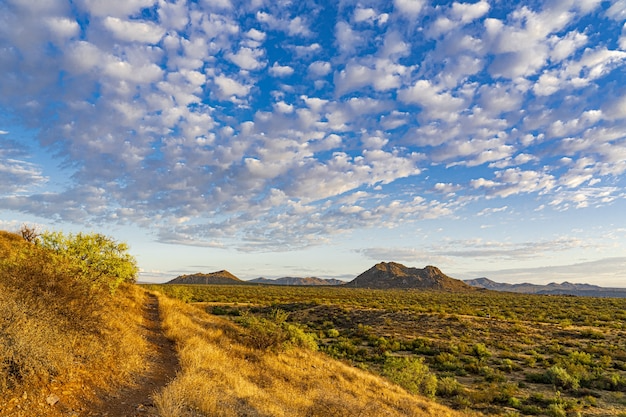
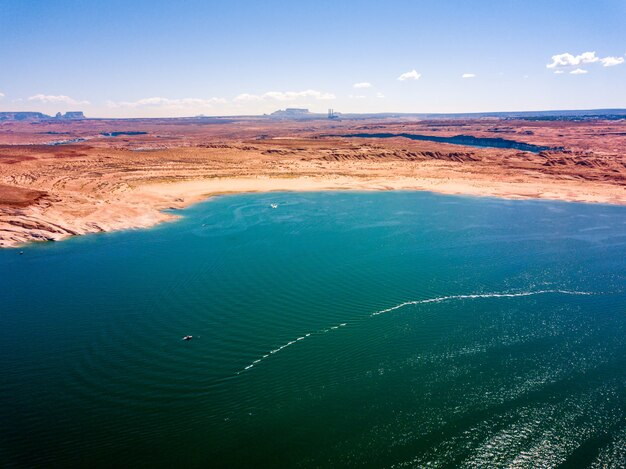
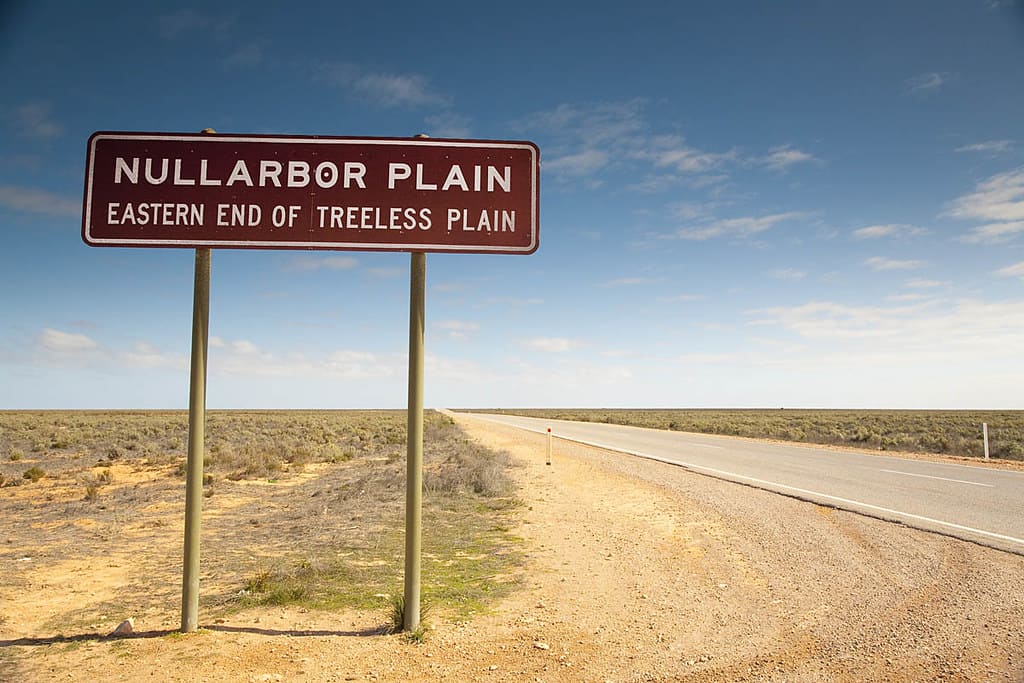
The Nullarbor Plain is characterized by its flat, treeless landscape, which gives way to dramatic cliffs along its southern edge, offering glimpses of the Southern Ocean. The word “Nullarbor” itself is of Latin origin meaning “no trees,” and as you traverse this expansive area, you’ll understand why. The Eyre Highway runs through this region, allowing travelers to experience the mesmerizing vastness. The plain is dotted with unique rock formations such as the infamous Bunda Cliffs, soaring steeply above the ocean, and the Nullarbor Caves are another natural marvel waiting to be explored, offering fascinating geological formations. For those interested in geology, the Nullarbor is a treasure trove of ancient limestone deposits, formed over millions of years. As you drive along the highway, make sure to stop at various lookouts, capturing the breathtaking scenery that encapsulates the untouched beauty of Australia.
Wildlife Encounters in the Nullarbor
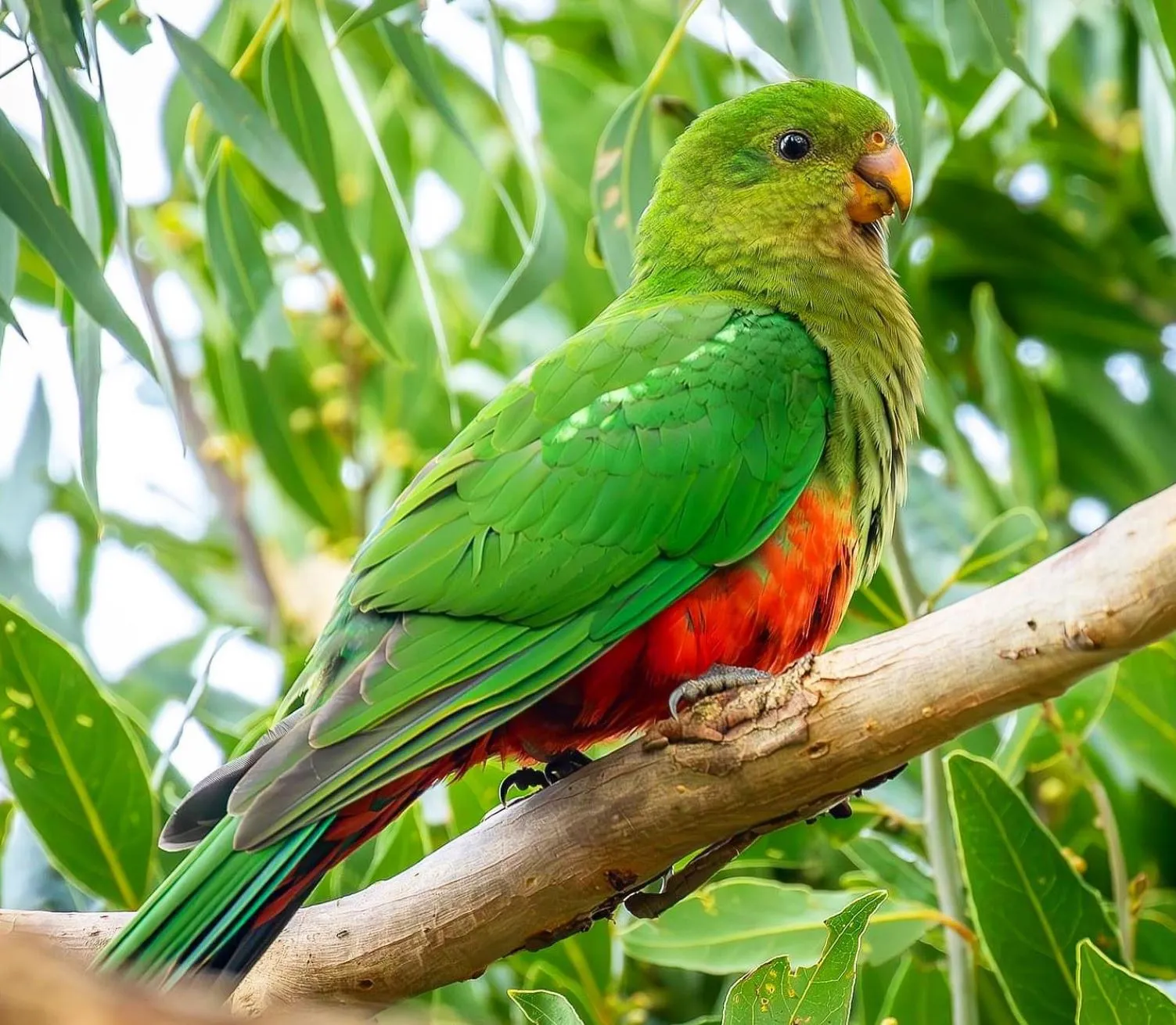
Despite its arid conditions, the Nullarbor Plain is home to a diverse range of wildlife, providing a stark contrast to the barren landscape. It is a haven for unique species such as kangaroos, emus, reptiles, and various bird species like the iconic wedge-tailed eagle. Travelers should keep a lookout for these fascinating animals, especially during sunrise or sunset when they are most active. Additionally, the area plays host to some of the world’s largest populations of migratory birds, making it an exciting destination for birdwatchers. For those interested in marine life, the nearby cliffs offer a vantage point to spot migrating whales, with the annual migration occurring typically between June and October. With proper respect for nature, adventurers can pitch tents and embark on camping trips, allowing for immersive experiences filled with nocturnal wildlife sounds and starlit skies.
Cultural Significance and Indigenous History
The Nullarbor Plain holds profound cultural significance, particularly to the Indigenous communities of Australia. For thousands of years, Aboriginal people have traversed this arid land, creating a rich tapestry of stories and cultural practices deeply intertwined with the environment. The area is dotted with sacred sites, rock art, and ancient artifacts that reflect the great connection the Indigenous populations have with the land. Visitors are encouraged to respect these cultural practices by learning about local Aboriginal history and engaging with Indigenous-led tours. Additionally, understanding the history enhances the journey, offering travelers a chance to connect with narratives that have shaped the region for centuries. The importance of preserving these stories and honoring the cultural heritage is paramount, as it enriches the overall experience of exploring the Nullarbor.
Must-See Attractions along the Eyre Highway
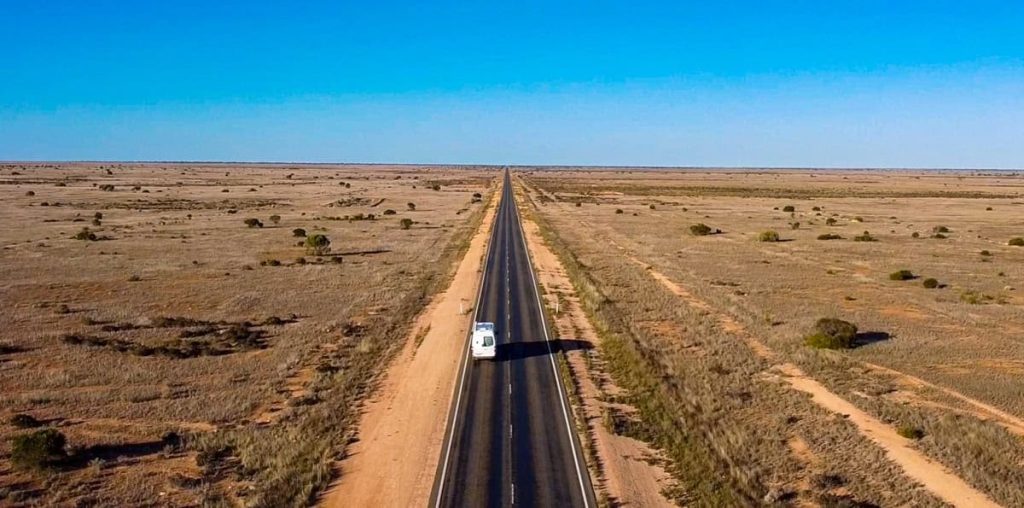
The Eyre Highway is not just a means to traverse the Nullarbor; it is itself a journey filled with remarkable attractions. Here are some highlights you should not miss:
- Nullarbor Roadhouse: A quintessential pit stop providing fuel, food, and information.
- Eucla Telegraph Station: The historic ruins are a glimpse into Australia’s communication history.
- Bunda Cliffs Lookout: Offers stunning views of the cliffs and ocean.
- Head of the Bight: A popular whale-watching spot with spectacular coastal scenery.
- Nullarbor Links: The world’s longest golf course, spanning across the Nullarbor.
Each of these stops provides a unique perspective of life in the outback, making the long journey worthwhile. Plan your itinerary through these must-see attractions and take time to appreciate the stories and history encapsulated at each site.
Conclusion
A journey through the Nullarbor Plain is more than just a road trip; it is an adventure that offers a deep connection to nature, wildlife, and Indigenous culture. The striking landscapes, rich histories, and unique ecosystems create endless opportunities for exploration and wonder. As you traverse this remote outback, whether by car, bike, or on foot, prepare to be captivated by the beauty and magic that the Nullarbor has to offer. So pack your bags, fuel up your vehicle, and set out on a journey that will leave you with lasting memories of Australia’s extraordinary remote wilderness.
FAQs
Driving across the Nullarbor Plain typically takes about 2 to 3 days depending on how often you stop to explore attractions and rest.
2. What is the best time to visit the Nullarbor Plain?
The best time to visit is during the cooler months from April to October when temperatures are milder and wildlife is more active.
3. Are there accommodations available along the Eyre Highway?
Yes, there are several roadhouses and motels along the Eyre Highway offering accommodations, meals, and essential services.
4. What precautions should I take while driving through the Nullarbor?
Ensure your vehicle is well-maintained, carry plenty of water, fuel, and food supplies, and be aware of wildlife on the roads, especially at dawn and dusk.
5. How do I experience Indigenous culture in the Nullarbor region?
Engage with Indigenous-led tours, visit Aboriginal cultural centers, and learn about local stories and practices to gain a deeper understanding of the region’s heritage.