Uluru, the big rock in the middle of the desert in Central Australia, is famous for its beauty and cultural significance but also for its wildlife. The harsh environment may look unforgiving but Uluru-Kata Tjuta National Park is home to many animals and plants that are perfectly adapted to the arid landscape and ancient rock formations of the Red Centre. An Uluru tour is the perfect opportunity to see the region’s landscapes and wildlife up close.
Contents
- 1 Wildlife in the Harsh Environment
- 2 Quick Guide
- 3 Mammals and Night Hunters
- 4 Reptiles: Desert Dwellers
- 5 Birdlife: 170+ Species of Birds
- 6 Amphibians and Others
- 7 Plant Life: Desert Oaks, Native Plants
- 8 Animals, Culture, Sacred Sites
- 9 Conservation, Park Authorities
- 10 FAQ
- 10.1 Are there deadly or poisonous snakes in Uluru?
- 10.2 What is the best time to see wildlife around Uluru?
- 10.3 How does the harsh environment affect animal species in Uluru?
- 10.4 What birds are commonly seen in the desert sands around Uluru?
- 10.5 What significance do animals hold for the indigenous peoples of Uluru?
Wildlife in the Harsh Environment
The national parks of Australia’s outback, including Uluru, are amazing for the amount of wildlife that thrives in the harsh conditions. Daytime in the desert is scorching hot and nighttime is cold, so many animals are night hunters, using the cooler periods to forage, hunt and find water. If you’re doing an 3 day Uluru tour you’ll be amazed at how much life exists in this seemingly harsh environment.
If you’re doing a guided experience like Wildlife Tours, consider extending your trip to other amazing landscapes nearby, including Kings Canyon and Kata Tjuta (The Olgas). Both are stunning, culturally significant and have unique natural environments, making them the perfect add-ons to your outback adventure.
Quick Guide
Here is a table of some of the wildlife you might see on your 3-day Uluru tour:
| Animal | Type | Notable Features | When to Spot |
|---|---|---|---|
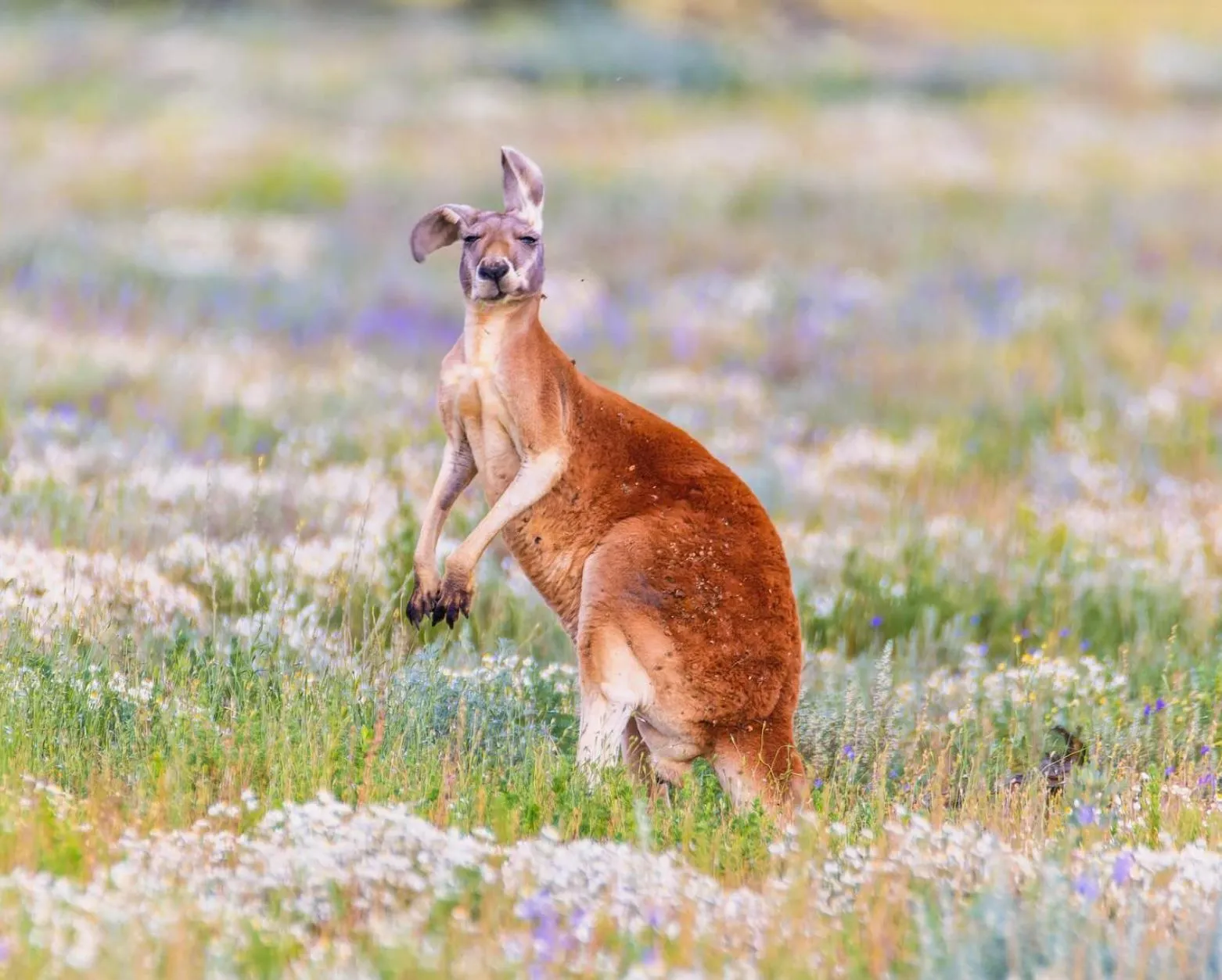
| Red Kangaroo | Mammal | Largest marsupial, grazes at dawn/dusk | Early morning/late afternoon |
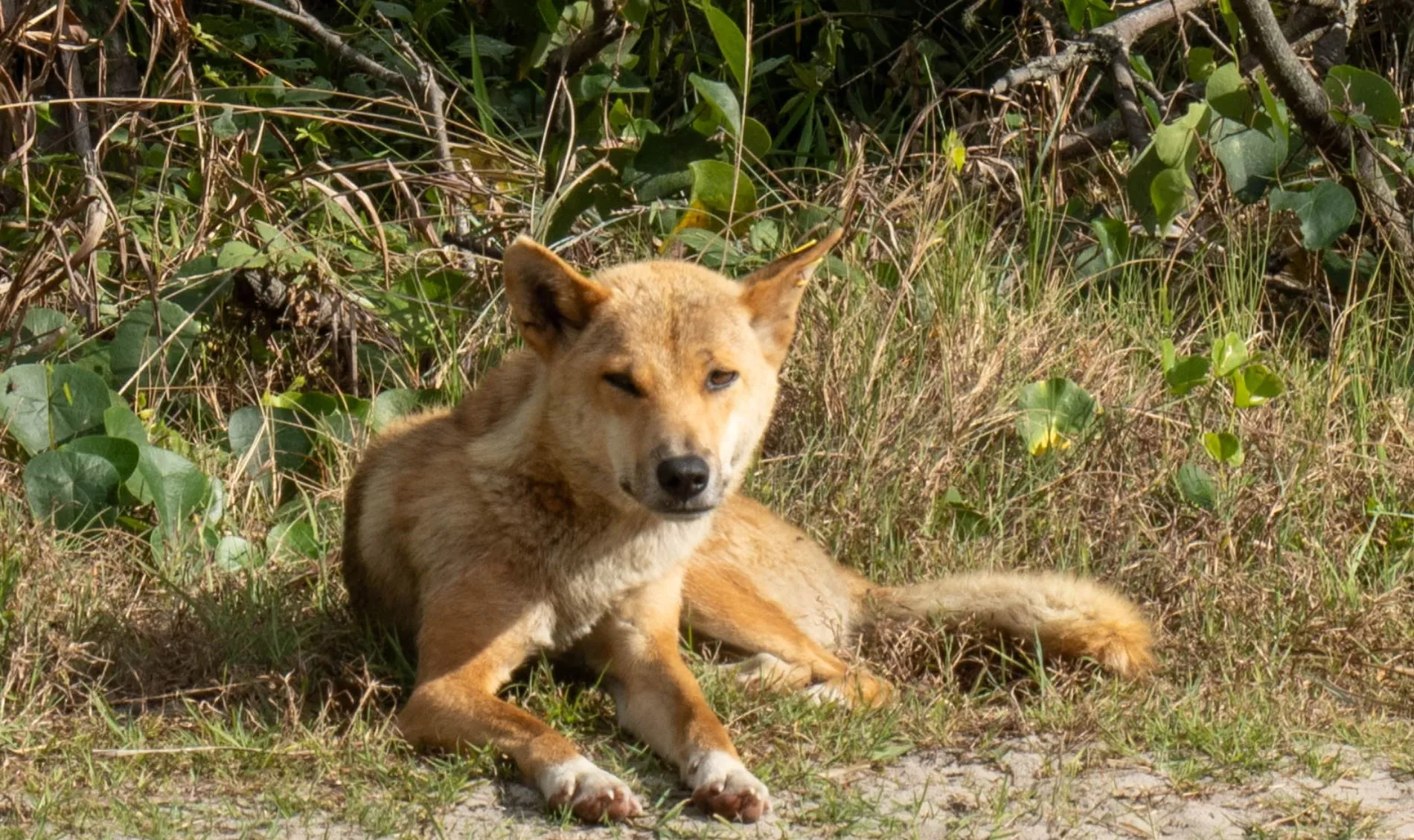
| Dingo | Mammal | Broadhead, night hunter | Dusk/night |
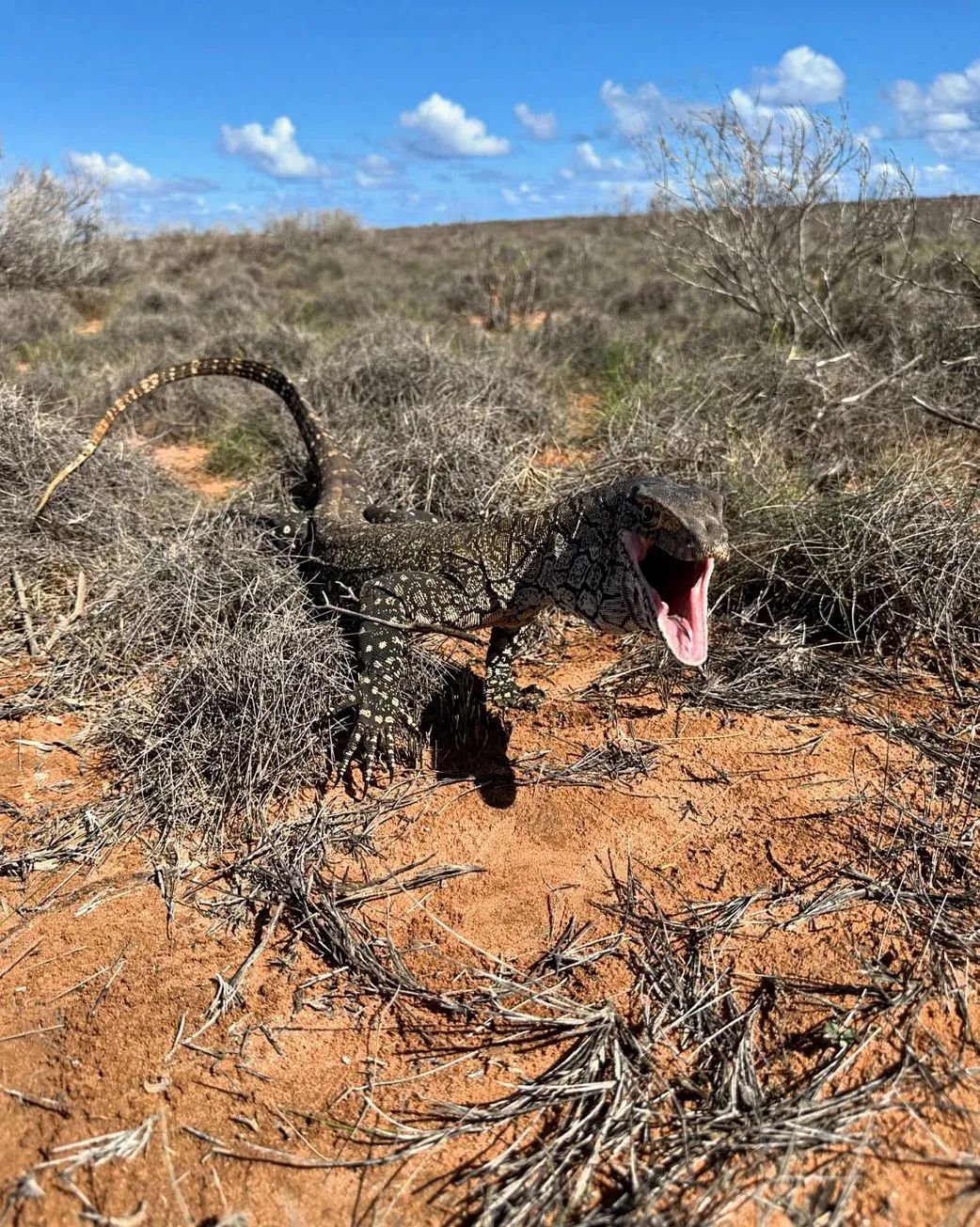
| Perentie | Reptile | Australia’s largest lizard | Warm sunny days |
| Thorny Devil | Reptile | Spiky appearance, camouflage | Daytime, sandy areas |
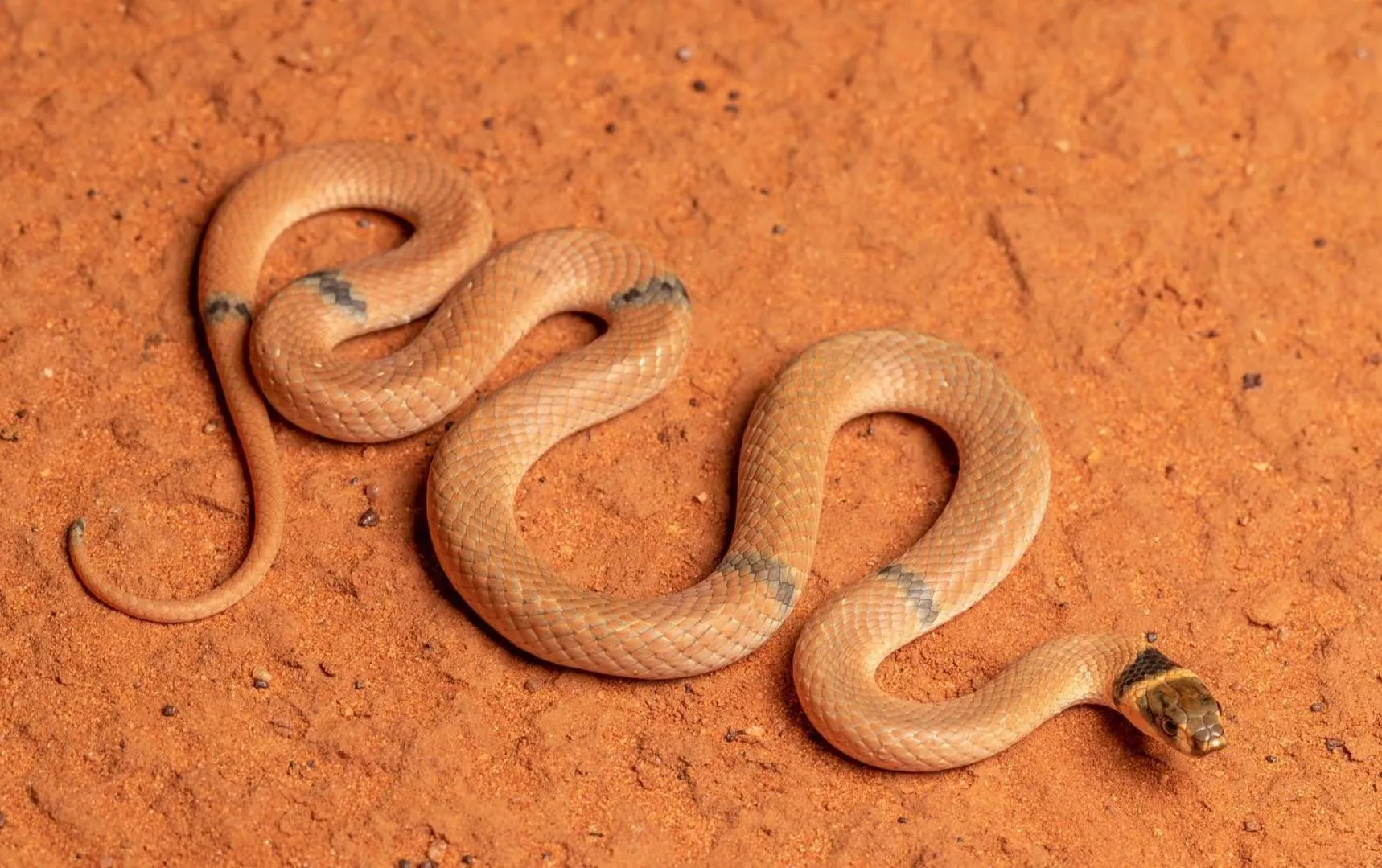
| Brown Snake | Reptile | Venomous, slender body | Cautiously, any time |
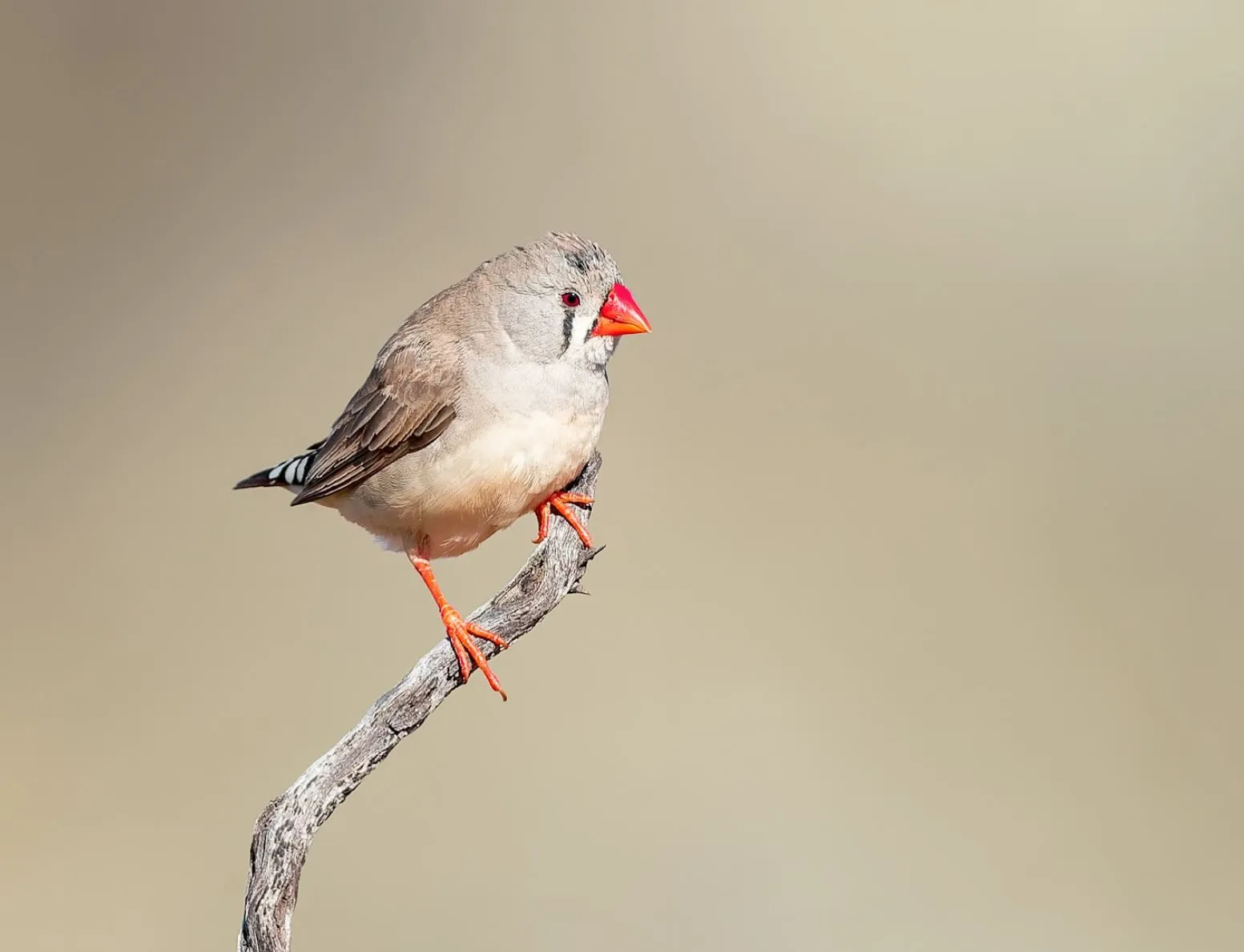
| Zebra Finch | Bird | Small, colourful, social | Near waterholes |
| Pink Cockatoo | Bird | Distinctive crest, striking call | Woodlands, daytime |
| Desert Tree Frog | Amphibian | Survives dry periods by burrowing | After rain, near waterholes |
Mammals and Night Hunters
You might see:
- Red Kangaroo: These guys love to eat plants like native grasses and shrubs, and regulate their body temperature by seeking shade or being active at dawn and dusk.
- Dingo: Broad head and great senses, opportunistic predators and scavengers, important to the ecosystem.
- Spinifex Hopping Mouse: Cute and burrowing, this little guy survives the desert by being nocturnal.
- Short-beaked Echidna: The Defence mechanism is to curl up and show spines to predators.
Reptiles: Desert Dwellers
Uluru is home to over 70 species of reptiles. More than you can count in the desert:
- Perentie: Australia’s largest monitor lizard, often seen basking on rocks during nature walks.
- Centralian Blue-tongue Skink: Beautiful trimmings and blue tongue, classic defence mechanism.
- Brown Snake: One of the most venomous snakes in the park, easy to spot by its slender body and quick movement.
- Thorny Devil: Small and cute, famous for its spikes and camouflage.
Birdlife: 170+ Species of Birds
The skies and woodlands are home to over 170 species of birds. Bird activity peaks in the morning or late afternoon:
- Australian Bustard: Often seen wandering the open plains, an important species for indigenous people.
- Zebra Finch: Small and social birds found near waterholes and desert oaks.
- Pink Cockatoo (Major Mitchell’s Cockatoo): Stunning crest and links to the land, a treat for visitors.
- Black-breasted Buzzard: A rare bird of prey adapted to the arid landscape.
If birdwatching is your thing, an Uluru 3 day tour is the best way to see unique species in their habitat and learn about their role in the ecosystem.
Amphibians and Others
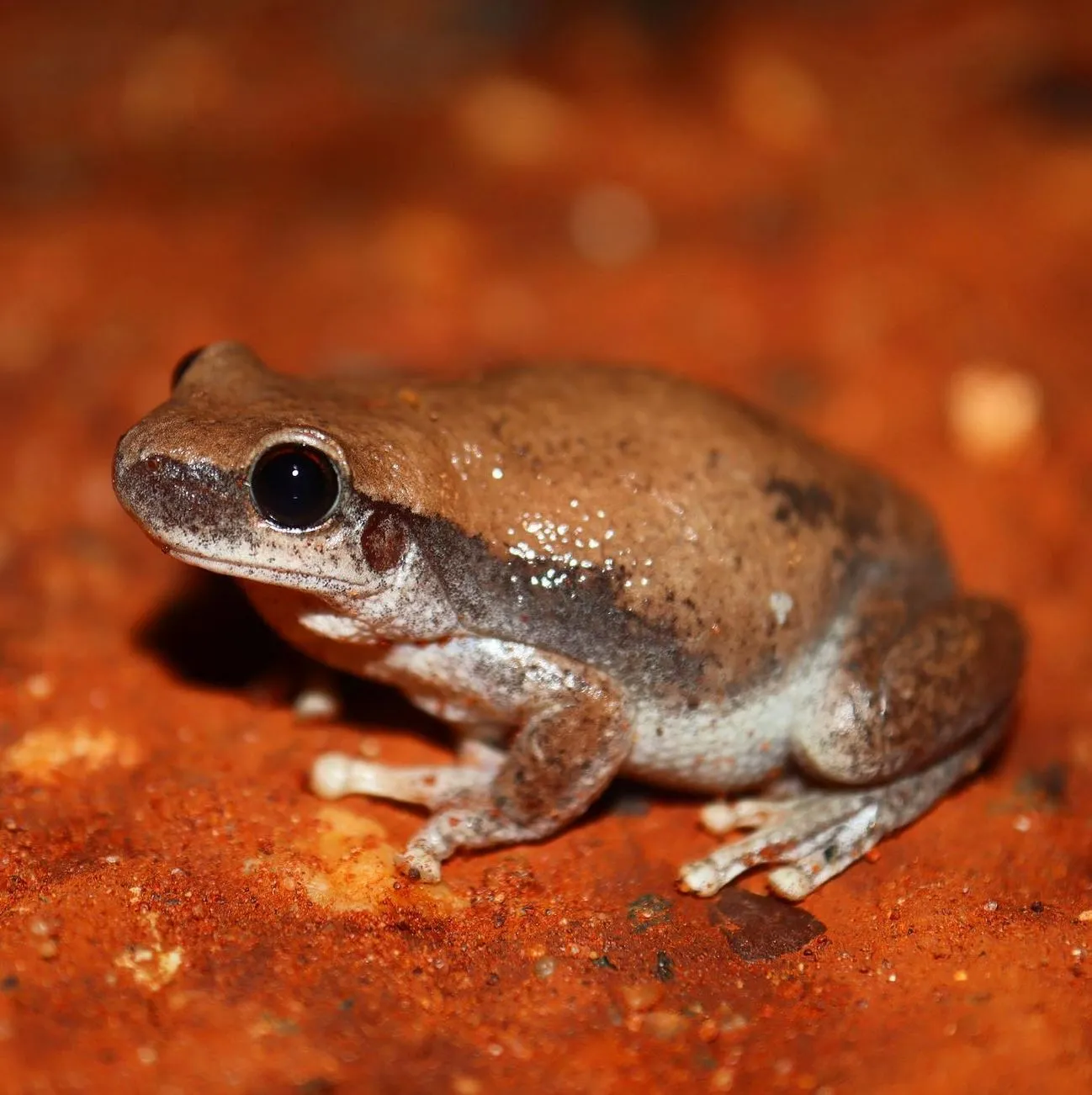
Despite the arid conditions, Uluru has frogs like the Desert Tree Frog that emerge during rain. Insects and spiders—some harmless, some venomous—are everywhere and are important to the ecosystem.
Plant Life: Desert Oaks, Native Plants
While Uluru is famous for its animals, its plant life is just as interesting. Desert oaks and other common trees grow alongside native plants, some with medicinal properties used by Aboriginal culture for thousands of years.
Animals, Culture, Sacred Sites
The cultural landscape of Uluru is connected to the animals and plants of the region. Aboriginal culture recognises certain animals and plants as sacred and features them in Dreamtime stories and links them to sacred sites throughout the park. These stories explain the connection to the country and the role of animals in cultural sites and ceremonies.
Domestic animals are not permitted in the park to protect the fragile environment and the sacred sites of the indigenous peoples.
Conservation, Park Authorities
Park authorities work hard to protect the unique environment and cultural heritage of Uluru-Kata Tjuta National Park. They protect native animal and plant species from threats like invasive species, habitat loss and climate change so this amazing landscape can be home to wonderful creatures for generations to come.
For more adventure consider visiting Alice Springs, another great destination just a few hours from Uluru. Here you can experience more cultural sites, outback trimmings and links to the country that will deepen your understanding of Australia’s heartland.
FAQ
Are there deadly or poisonous snakes in Uluru?
Yes, Uluru has several species of poisonous snakes including the brown snake. But they are rare if you stick to the park rules.
What is the best time to see wildlife around Uluru?
Early morning and late afternoon are the best times for nature walking and wildlife spotting as many animals are active during cooler periods.
How does the harsh environment affect animal species in Uluru?
Animals have adapted to the arid conditions through being nocturnal, burrowing and using natural camouflage or defence mechanisms.
What birds are commonly seen in the desert sands around Uluru?
Zebra finches, Australian bustards and pink cockatoos are among the most common birds seen in the desert environment.
What significance do animals hold for the indigenous peoples of Uluru?
Many animals are considered sacred, feature in Aboriginal Dreamtime stories and play a vital role in maintaining the cultural landscape and connection to country for the indigenous peoples.