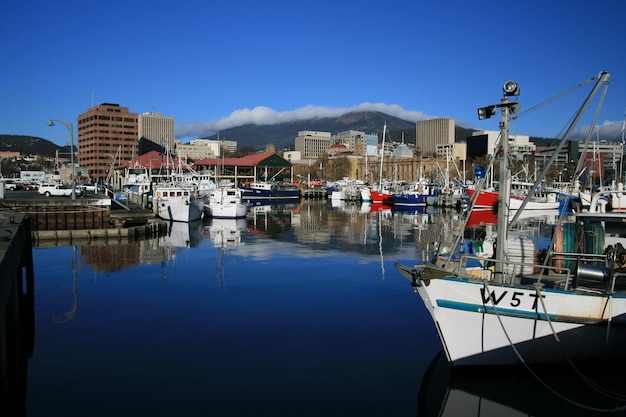
Hobart, the capital city of Tasmania, Australia, is a vibrant hub that beautifully melds nature with rich cultural heritage and contemporary art. Known for its stunning landscapes and historical significance, Hobart offers visitors a unique blend of artistic expression, local culture, and natural beauty. In this article, we will delve into the city’s art scene, cultural institutions, local festivals, and the essential experiences that define Hobart’s cultural identity.
Contents
The Inspiring Art Scene of Hobart
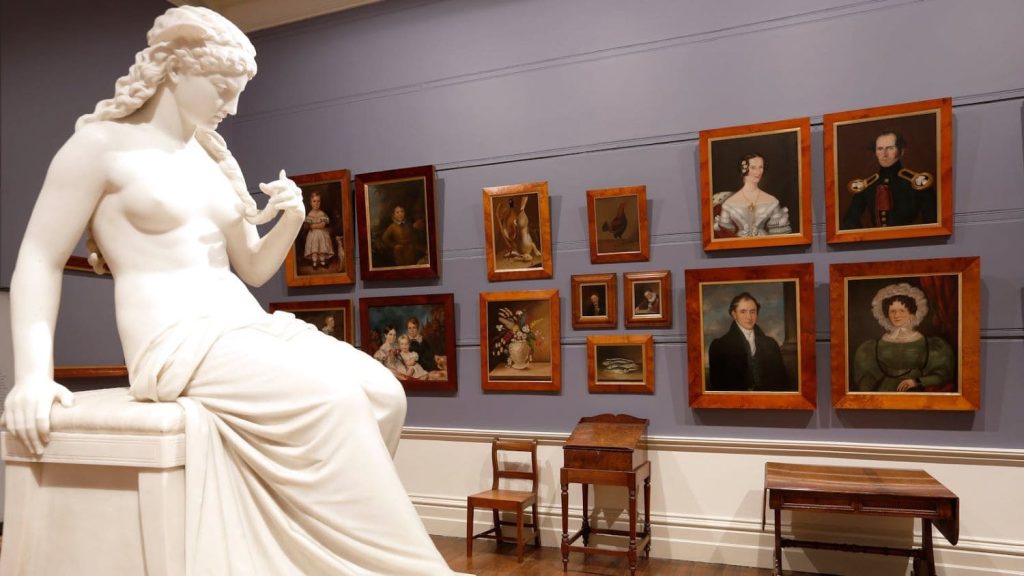
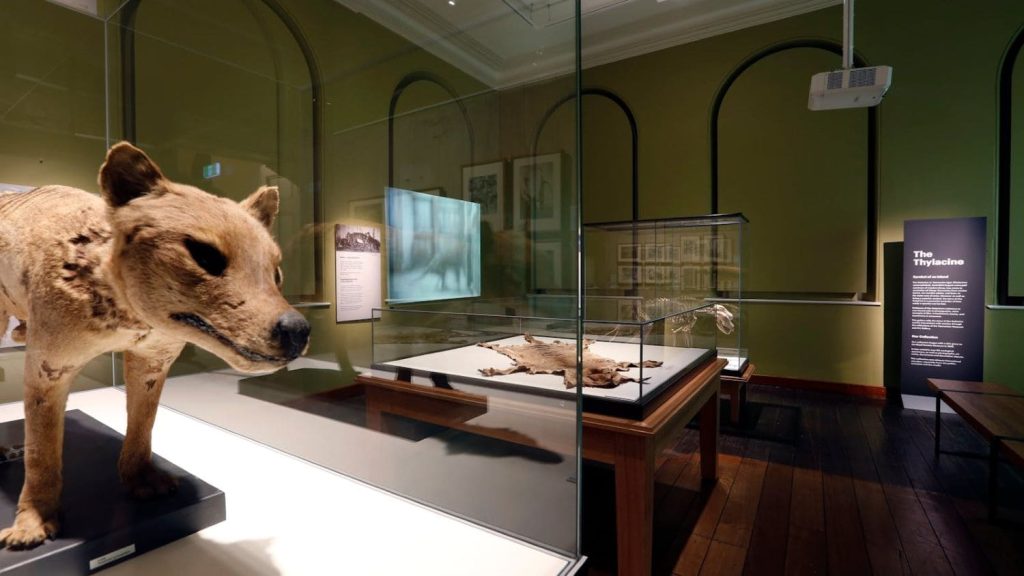
Hobart’s art scene is as diverse as its landscape, offering a rich tapestry of historical and contemporary artworks. At the centerpiece is the Tasmanian Museum and Art Gallery, where visitors can explore a vast collection of indigenous, colonial, and contemporary art pieces. The museum also doubles as a research facility, promoting awareness of Tasmania’s natural and cultural history. Visiting local galleries such as MONA (Museum of Old and New Art) is crucial for art aficionados. This innovative museum is known for its provocative exhibitions and immersive experiences that challenge traditional artistic narratives and compel visitors to think outside the box. With a blend of antique and modern works, MONA offers a unique glimpse into the evolution of art and its intersection with culture.
Experiencing Local Culture through Festivals
Hobart is home to a range of cultural festivals that reflect the community’s artistic spirit and heritage. One of the most notable is the Dark Mofo festival, an annual winter celebration organized by MONA that combines art, music, and food. This festival is famous for its surreal and often unconventional events, such as the Winter Feast—a gastronomic gathering featuring local produce and gourmet food. Another important event is the Tasmanian International Arts Festival, which showcases a variety of performances from theatre to dance, fostering local talent and attracting international acts. These festivals not only create a platform for artists but also draw communities and tourists together, underscoring the importance of cultural gatherings.
Art Walks and Local Markets
Exploring Hobart’s art scene isn’t just limited to museums and galleries; it extends to the streets and local markets where artists display their talents. The Salamanca Market is a weekly gathering held every Saturday, featuring local artisans, craftspeople, and performers. Visitors can browse through stalls filled with handmade goods, art prints, and delicious Tasmanian cuisine. This market acts as a microcosm of Hobart’s artistic community, showcasing everything from jewelry to pottery. Another popular area is MONA’s outdoor spaces—check out the installation art and sculptures that dot the grounds, encouraging visitors to interact with creativity in unexpected ways.
Culinary Art: Food as Culture
Hobart’s cultural landscape is also defined by its culinary scene, where food is treated as a form of art. The city’s connection to fresh, locally-sourced produce is evident in its numerous restaurants and cafes that prioritize Tasmanian ingredients. Iconic venues like Franklin and The Agrarian Kitchen prioritize seasonal menus that reflect the area’s natural bounty. A food trail experience or a guided tour can introduce visitors to local wines, cheeses, and handcrafted chocolates, allowing a deeper understanding of Tasmania’s agricultural heritage. Trust that tasting experiences in Hobart are not only about satisfying hunger but also about immersing oneself in the region’s cultural narrative.
Engaging with Community Art Initiatives
Community art initiatives are an essential part of Hobart’s cultural identity. Numerous organizations and community groups promote artistic expression through workshops and collaborative projects. Programs like the Huon Valley’s community art initiatives invite residents and artists to work together, bridging gaps through creativity. Local street art can also be observed throughout the city, showcasing the talents of various artists and serving as a conversation starter about social issues. This interconnectedness between art and the local community reflects Hobart’s commitment to fostering an inclusive cultural environment that values every voice.
Conclusion
Discovering the art and culture of Hobart is an enriching experience that invites exploration and appreciation of its historical roots and contemporary expressions. From its captivating museums and art galleries to vibrant festivals and local markets, Hobart offers a cultural landscape that is diverse and engaging. The city’s dedication to artistic merit and community involvement ensures a dynamic atmosphere where every individual can find their own connection to art and culture. As you immerse yourself in Hobart’s surroundings, it’s clear that the creative spirit of this city will leave a lasting impression.
FAQs
Each year, Hobart hosts notable cultural events including Dark Mofo, the Tasmanian International Arts Festival, and various food and arts festivals that showcase local talents and traditions.
2. Where can I find local art in Hobart?
Local art can be found in museums like MONA and the Tasmanian Museum and Art Gallery, as well as through street art and at local markets such as Salamanca Market.
3. Is Hobart known for any particular type of cuisine?
Hobart is renowned for its fresh, locally-sourced ingredients. Signature dishes often include seafood, artisanal cheeses, and Tasmanian wines that reflect the region’s agricultural bounty.
4. How can I participate in community art initiatives in Hobart?
Community art initiatives often host workshops and collaborative projects. Check local galleries or community centers for upcoming events that welcome participation from residents and visitors alike.
5. What should I not miss when visiting Hobart’s art scene?
Don’t miss MONA, the Tasmanian Museum and Art Gallery, and the eclectic artistry found at Salamanca Market. Engaging in local festivals like Dark Mofo will also provide a unique glimpse into Hobart’s cultural identity.